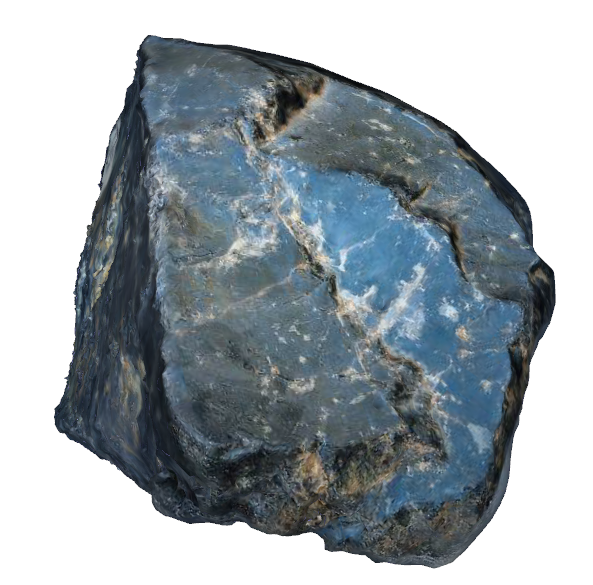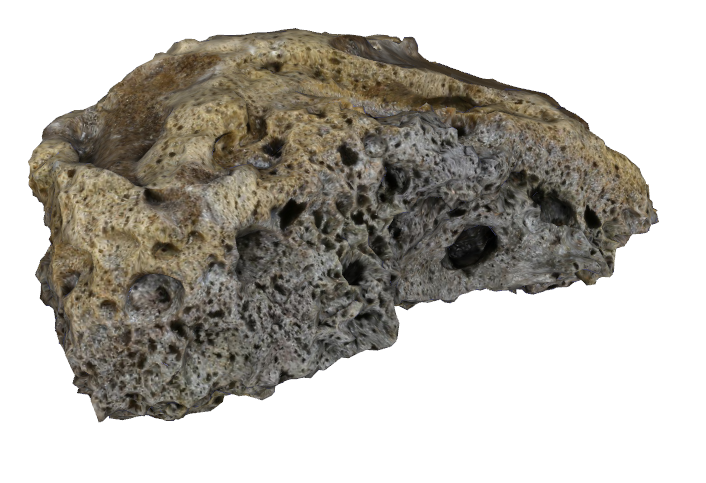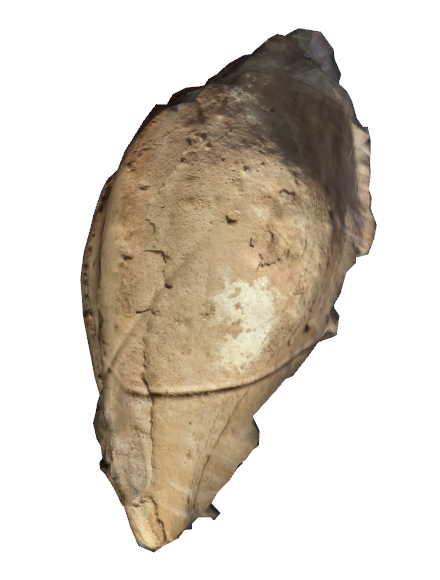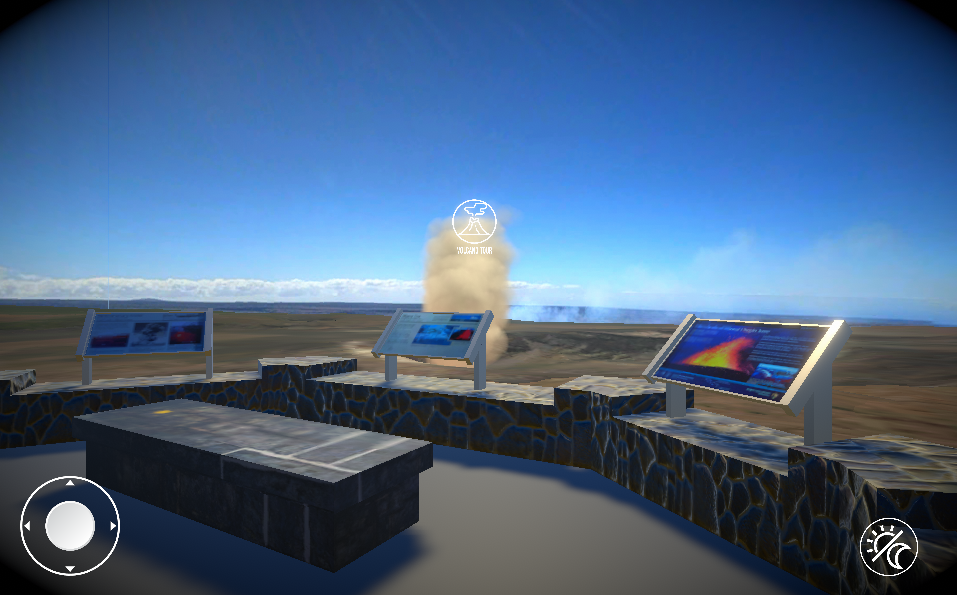
Intercative 3D Models

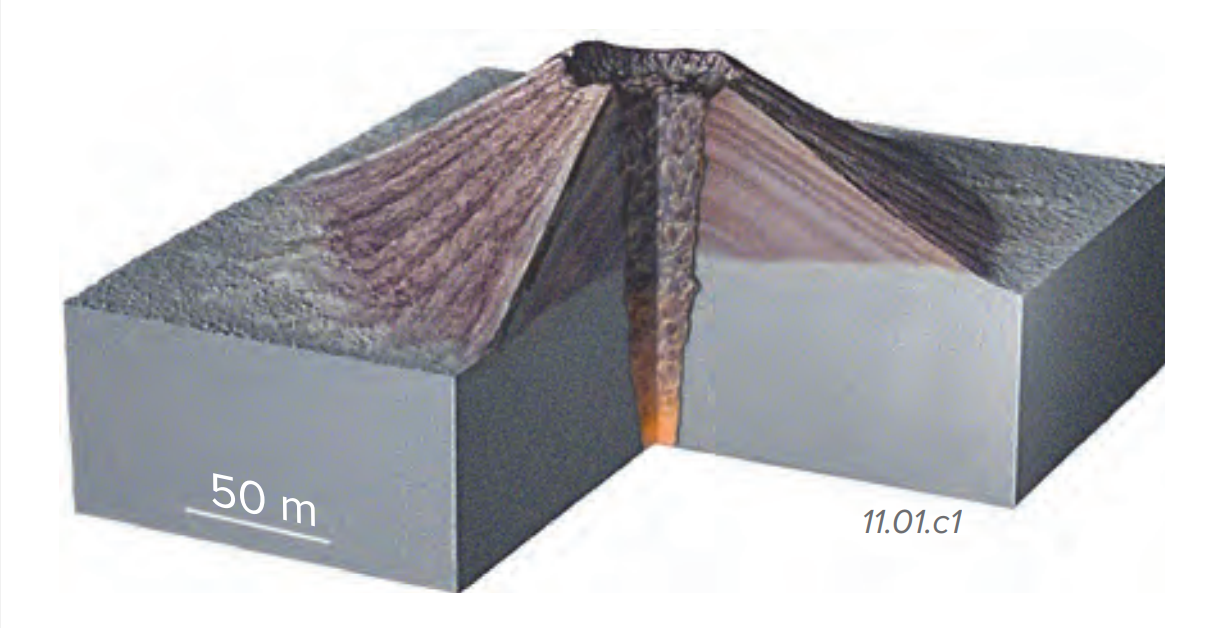
Scoria Cone

Scoria cones are cone-shaped hills several hundred meters high, or higher, usually with a small crater at their summit. They also are called cinder cones because they contain loose black or red, pebble-sized volcanic cinders (scoria), along with larger volcanic bombs. The scoria is basaltic or, less commonly, andesitic in composition. Some scoria cones form next to, or on the fl composite and shield volcanoes.

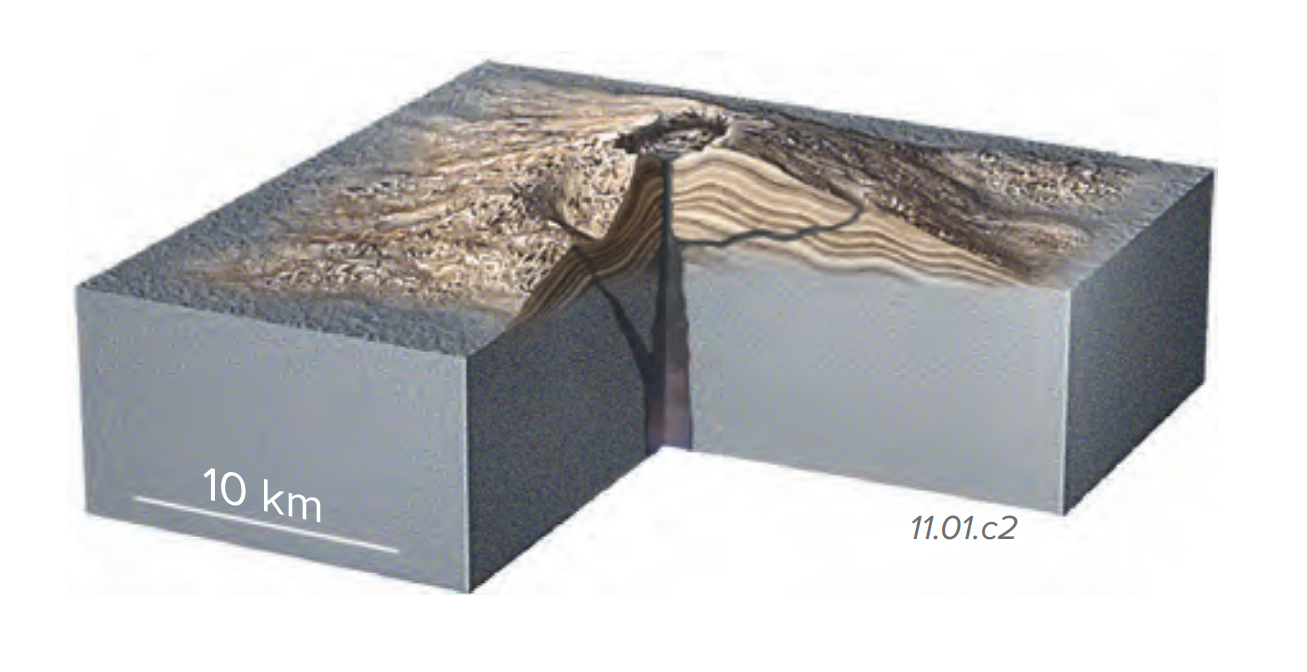
Shielded Volcano

Shield volcanoes have broad, gently curved slopes and can be relatively small (less than a kilo- meter across) or can form huge mountains tens of kilometers wide and thousands of meters high. They commonly contain a crater or line of craters and have fissures along their summit. Shield vol- canoes consist mostly of basaltic lava flows with smaller amounts of scoria and volcanic ash.

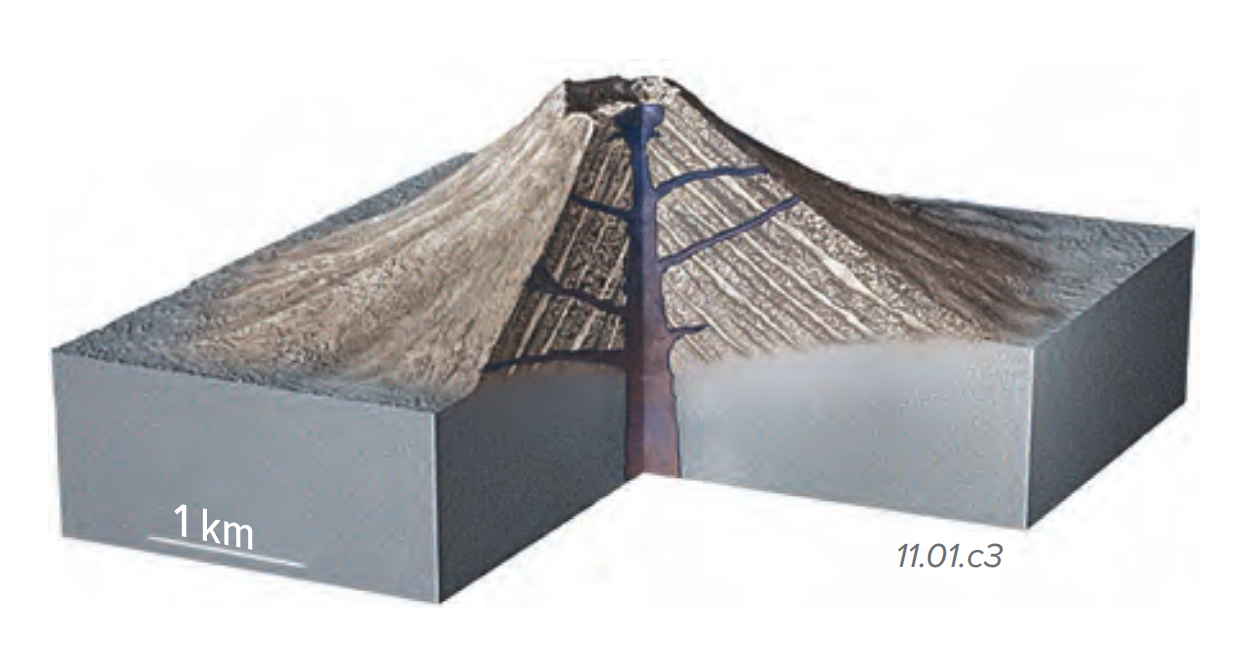
Composite Volcano

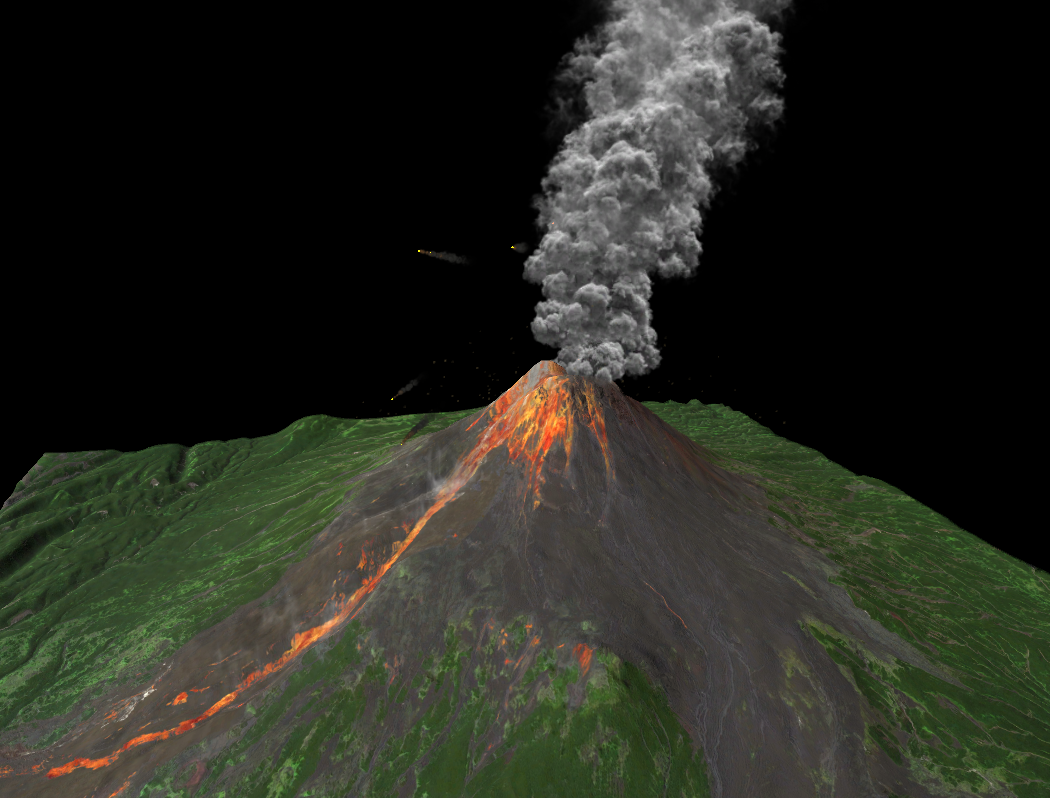
Composite volcanoes are typically fairly symmetrical mountains thousands of meters high, with moderately steep slopes and a crater at the top. They may be large, but are, on average, much smaller than shield volcanoes. Their name derives from the interlayering of lava fl deposits, and volcanic mudfl andesite, but can also contain felsic and mafi ows, pyroclastic ows. They consist mostly of intermediate-composition rocks, such as c rocks.

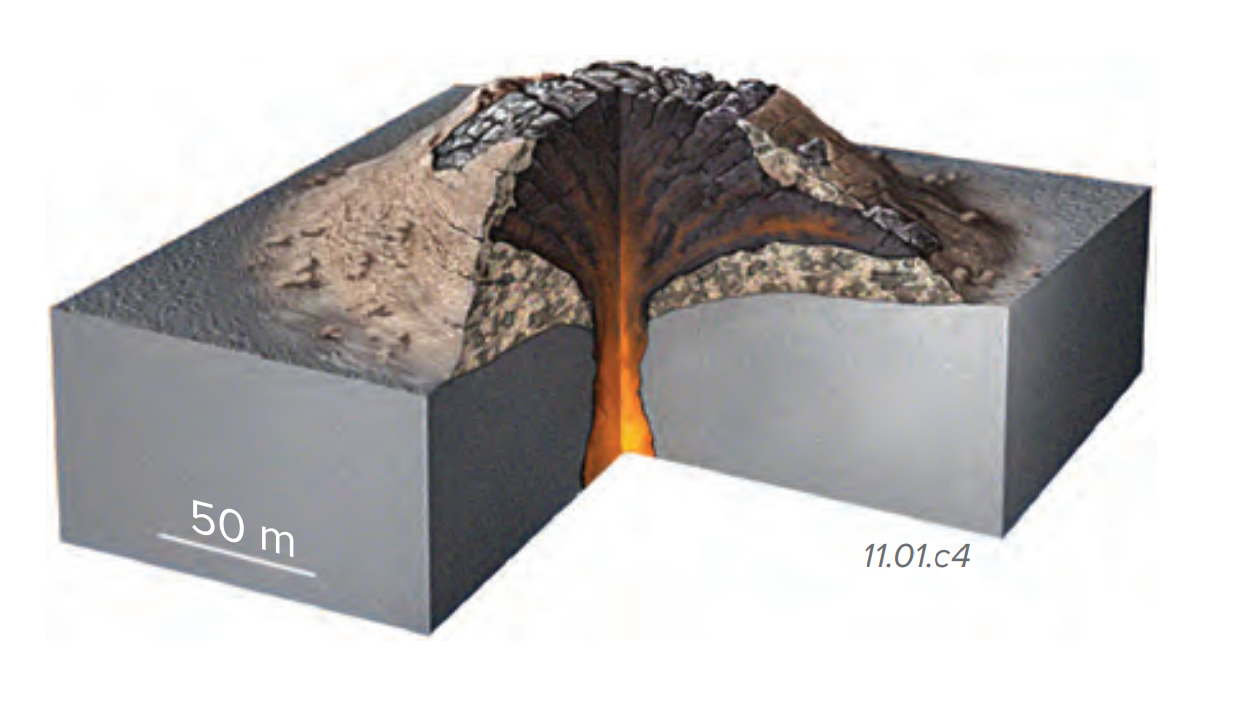
Volcanic Dome

Volcanic domes are dome-shaped features that may be hundreds of meters high. They consist of solidified lava, which can be highly fractured or mostly intact. Domes include some volcanic ash intermixed with rock fragments derived from solidifi or intermediate magma erupts and is so viscous that it piles up around a vent. Many domes are within craters of composite volcanoes.